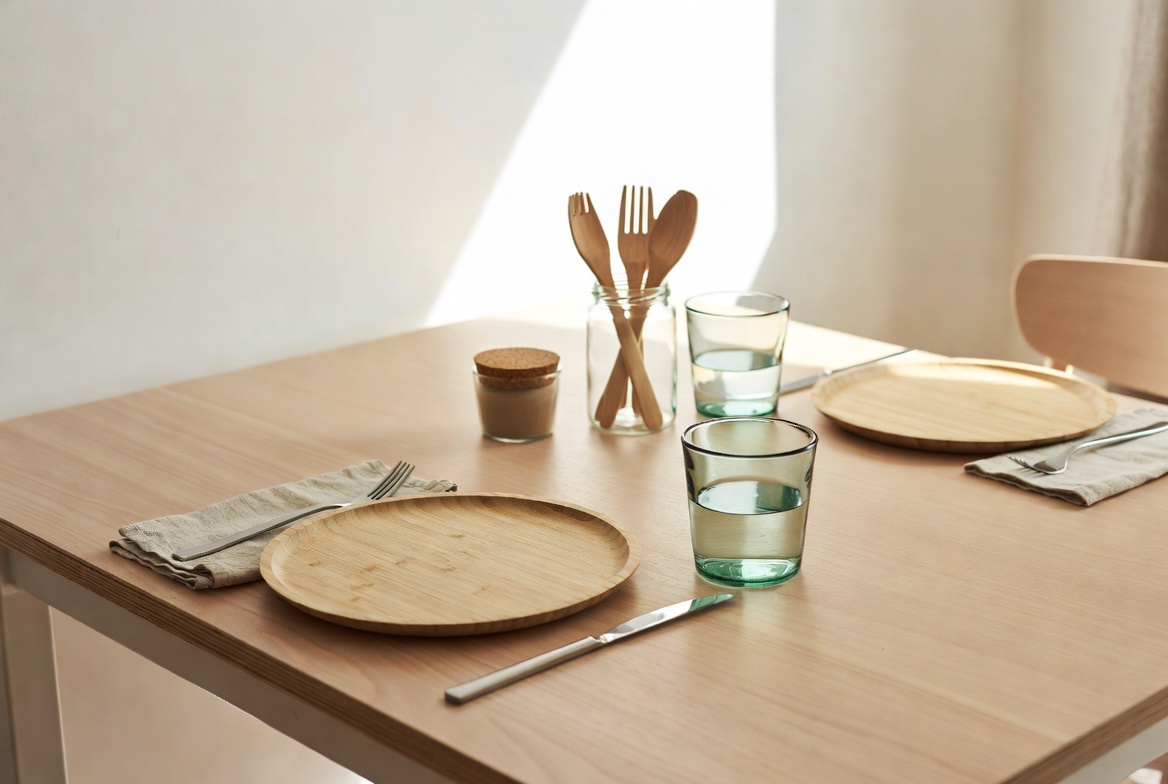
Why Sustainable Dinnerware Is Moving Mainstream
Sustainability has shifted from a niche preference to a mainstream expectation, especially among middle‑ and upper‑income consumers who want their purchasing decisions to reflect their values. Dinnerware is a surprisingly powerful category in this shift: every plate, bowl, and cup touches both your food and the environment through its materials, manufacturing, use, and disposal.
Choosing sustainable dinnerware means balancing design, durability, and environmental impact—minimizing resource extraction and pollution, while maximizing long‑term usability. With eco‑friendly options now available at multiple price points, it’s possible to build a beautiful table that’s also kinder to the planet.
Understanding Eco‑Friendly Materials and Certifications
The foundation of sustainable dinnerware is material choice. Some of the most common eco‑forward options include:
- Bamboo and other fast‑growing fibers: Bamboo grows rapidly and can be harvested with relatively low inputs, making it attractive for plates and serving pieces. Look for products that avoid melamine binders where possible and are clearly labeled as food‑safe.
- Recycled glass: Using cullet (recycled glass) in production reduces energy use compared with creating glass from raw materials, according to data from industry groups. Recycled‑content glassware is durable, fully recyclable, and visually distinctive.
- Sustainably produced ceramics: Ceramics made with responsibly sourced clay and lead‑free glazes can last decades; longevity itself is a major sustainability advantage.
Certifications help verify claims:
- USDA Organic can apply to certain bio‑based materials used in products.
- Green Seal and similar eco‑labels assess lifecycle impacts, emissions, and health criteria for products in various categories.
- FSC (Forest Stewardship Council) is relevant when wood or paper components, like trays or packaging, are involved.
- These marks don’t guarantee perfection, but they reduce the risk of greenwashing and provide a baseline of audited performance.
Brands and Approaches Leading in Sustainable Dinnerware
A growing ecosystem of brands is building dinnerware lines around sustainable materials, clean manufacturing, and transparent sourcing.
Common best practices among leading companies include:
- Publishing information about clay sources, glaze chemistry, and firing processes.
- Reducing energy consumption through efficient kilns and renewable power.
- Using recycled content, biodegradable materials, or renewable fibers.
- Designing for durability and repair to extend product life.
Some established dinnerware and cookware brands now offer eco‑focused sub‑lines, such as recycled‑glass collections, bio‑based composites, or zero‑waste production models. In parallel, smaller makers and artisans highlight low‑impact production, short supply chains, and long‑lasting designs.
Industry associations and sustainability organizations often publish case studies on these efforts, making them useful reference points when vetting suppliers.
Practical Tips for Choosing and Using Sustainable Dinnerware
To make practical, sustainable choices without sacrificing style:
- Prioritize durability over trendiness. The greenest plate is one you use for many years. Choose sturdy materials and timeless forms.
- Check for safety and transparency. Look for lead‑free and cadmium‑free glazes and clear food‑contact compliance, particularly with imported ceramics and bamboo composites.
- Consider the whole lifecycle. Ask how the product is made, how long it’s likely to last, and whether it can be recycled, composted, or repurposed at end‑of‑life.
- Support repair and reuse. For ceramic pieces, minor chips can sometimes be repaired for decorative use; mixing restored pieces into your table can be both stylish and sustainable.
Daily habits matter as well. Using lower‑temperature wash cycles, eco‑friendly detergents, and air‑drying can reduce energy and water use over the life of your dinnerware.
Conclusion and Call‑to‑Action
Sustainable dinnerware is no longer a compromise between ethics and aesthetics; it’s an opportunity to express your style while aligning your table with your environmental values. By focusing on durable materials, credible certifications, and transparent brands, you can reduce your footprint, support better manufacturing practices, and still enjoy a beautifully set table.
Start by assessing your current cupboard: separate long‑lasting, safe pieces from items that are chipped, poorly made, or questionably sourced. Then, as you replace or expand, prioritize certified, durable, and repairable options from brands that publish their sustainability practices, and reinforce those choices with everyday habits that reduce energy and water use.
Suggested external sources
- U.S. FDA guidance on food‑contact materials and imported ceramics
- World Wildlife Fund / FSC information on sustainable wood and bamboo sourcing
- U.S. EPA or similar agency explainer on product lifecycles and waste reduction
- Glass Packaging Institute or similar industry group on recycled glass benefits
- USDA Organic and Green Seal certification overviews