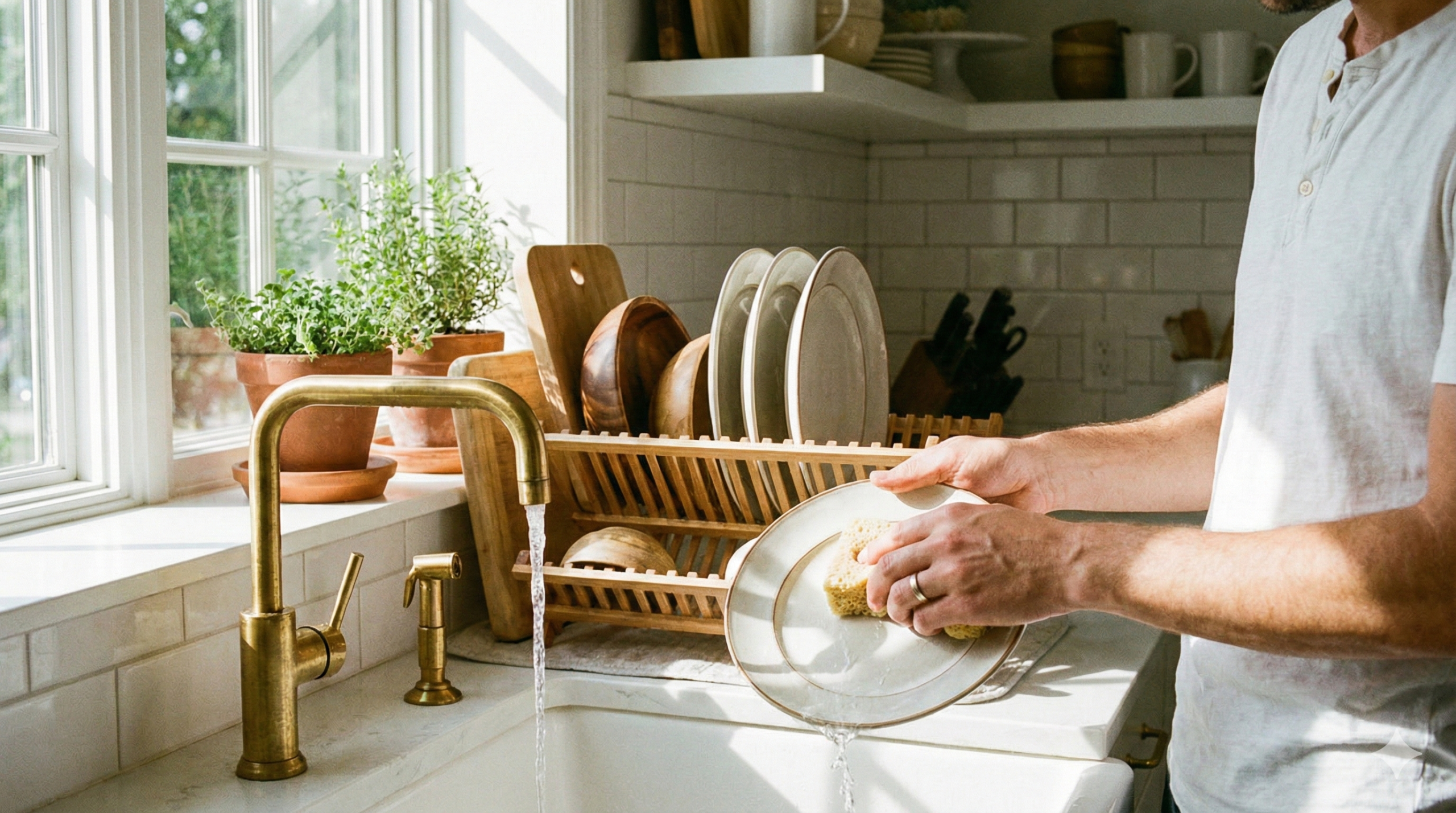
Protecting the Look and Life of Your Dinnerware
Even the highest‑quality dinnerware will dull, chip, or crack prematurely if it isn’t cared for correctly. Simple, consistent maintenance is what turns plates and bowls into long‑term assets rather than short‑term consumables.
For homes and businesses alike, proper cleaning, storage, and repair practices save money, preserve aesthetics, and support food safety. A small investment in time and technique pays off in years of reliable service.
Cleaning Techniques for Different Materials
Each material needs specific care to maintain appearance and performance:
-
Porcelain and bone china:
- Generally dishwasher‑safe, but use gentle cycles and avoid crowding.
- For handwashing, use mild detergent and a soft sponge; avoid abrasive powders that scratch glazes.
- For stains, a paste of baking soda and water can be effective without damaging the finish.
-
Stoneware:
- Soak in warm, soapy water to loosen residue, then clean with non‑abrasive sponges.
- Avoid sudden temperature changes (freezer to oven, cold water on a hot dish) to prevent cracking.
-
Glass:
- Many glass pieces are dishwasher‑safe; delicate or decorated items are better handwashed.
- Use soft cloths and dry promptly to avoid water spots.
- A vinegar‑and‑water solution can remove cloudy buildup.
-
Wood and bamboo:
- Handwash only, quickly, with mild soap and warm water; never soak or dishwash.
- Dry immediately and condition periodically with food‑safe mineral oil to prevent drying and cracking.
Industry sources on kitchen hygiene also emphasize appropriate water temperature and detergent strength to balance cleanliness with material preservation, especially in commercial settings.
Storing Dinnerware Safely and Efficiently
Thoughtful storage prevents many common forms of damage:
- Use cabinets or shelving that fully support plate stacks, with enough height to avoid bumping edges.
- Place felt or soft liners between plates, particularly for delicate or luxury pieces.
- Store cups and mugs with enough clearance to avoid rim chipping; avoid hanging heavier pieces by the handle alone.
- In smaller spaces, consider stackable organizers, plate racks, or decorative boxes that double as display and protection.
For high‑end items (fine china, crystal), specialized storage cases and climate‑controlled environments can further protect glazes and finishes from temperature and humidity swings.
Repairing and Restoring When Possible
Not every chip means the end of a plate’s useful life. Repair and restoration can extend both the functional and decorative lifespan of dinnerware:
- Minor chips and cracks: Food‑safe ceramic adhesives can restore structure for light use or decorative roles.
- Severe or valuable damage: Professional restorers can often invisibly repair luxury or sentimental pieces; this is particularly worthwhile for discontinued or heirloom lines.
- Stain removal: Gentle abrasives like baking soda, or oxygen‑based cleaners used as directed, can lift tough stains while preserving glazes.
Using repaired items in mixed eclectic settings can turn imperfection into character, aligning with current home‑décor trends that favor uniqueness and sustainability.
Conclusion and Call‑to‑Action
Caring for dinnerware is about more than keeping plates looking good—it’s about protecting your investment, ensuring food safety, and reducing waste by extending product life. With a few material‑specific cleaning habits, sensible storage, and basic repair strategies, you can keep even heavily used pieces performing and presenting beautifully for years.
Take a quick inventory of your cupboards and identify items that need better storage, gentler cleaning, or possible repair. Then refine your daily routines—switch to softer tools and appropriate detergents, add simple storage protections, and separate items that may need professional help—to make your dinnerware care as intentional as your table styling.
Suggested external sources
- U.S. or EU food‑contact and cleaning guidelines for kitchenware
- Articles on caring for wood and bamboo kitchenware from reputable culinary or woodworking sites
- Sustainability resources on product life extension and repair culture